
Becoming Earth
An excerpt from Collisions of Earth and Sky

Today is February 16, it’s 53 degrees outside. Honestly? I’m not a fan, even though my walk around the increasingly brown grounds felt nice, albeit a bit squishy in the sun. The snow is melting fast. It feels like April. I’m not ready for mud season just yet—my nordic skis are languishing by the back door and there they will stay in hopes of the temperatures dropping later this week. At any rate, I’m working on some writing stuff that isn’t newsletter material (more to come on that…later) so it’s excerpt time. This one’s from one of the later chapters in Collisions of Earth and Sky (Broadleaf Books, 2023) and it’s all about leaning into what it means to be fully alive. Which can feel like a tall order, especially when conditions, news headlines, and the state of the world could be described by many as unpleasant/unwanted, bad, and chaotic. It’s easy to want to numb out, or keep scrolling, or try to change everything at once. Healthy distraction is sometimes just the thing, there are times you’ve got to scroll to find what you need on your device, and the desire for big change is one everyone experiences. But let’s not forget the power of mindfulness, connecting with the wild, and allowing what is to be what it is while putting our energy where we have agency to create needed change.
I am becoming earth. I run through an old-growth forest on the heels of a wolf, dive naked into a cool pool of water, soar with the cranes over the plain, and howl at the full moon while dancing under shimmering stars. I sleep outside in the elements and use mud as sunscreen. My hair is tangled and full of leaves and small sticks, and I drink sunlight and bathe in the power of the moon. The earth is my mother, and the sky is her lover. I am married to myth, and my children are whispers of ideas that float on the clouds. Dirt and ferns and vines creep around my body, and I can talk to the trees in a language older than time.
The alarm clock goes off, and I wake up. I’m wearing navy-blue pajamas. As I rub my eyes, I realize I spent the night sleeping in a bed next to my spouse. There’s a meeting on my calendar in twenty minutes, and I can’t remember how to talk to the trees. The dream slips away like sand through an hourglass.
I want the earth back.
As the day progresses, I notice the birds calling to each other and feel the breeze caressing my bare shoulders as it rushes through the open windows. A few hours later, I step away from the computer and out of my shoes onto the lawn, touch the rough bark of the huge silver maple in the yard, and I remember that becoming earth isn’t out of reach, after all.
Becoming earth means lifting my eyes to the sun that peeks through the clouds on a dreary day during a slow walk through a park. It means stepping outside under a sliver of a new moon and wondering where the light has gone through fears that just won’t stop. It means putting my high heels in the closet for good because they just aren’t worth it. It means being an advocate for those forms of life who don’t communicate in ways that technology and progress can understand. It means listening to the stories of those whose voices have been, as Arundhati Roy said, “deliberately silenced or preferably unheard.” It means looking into shadows and dreams and stuff that no one wants to talk about because it isn’t pretty or nice or put together. It means a lot of things if we let it.
It means being fully alive while I draw breath.
In her book on creativity, called What We Ache For, Oriah Mountain Dreamer says we need to “find the marriage of meaning and matter in life and in the world.” That’s what we ache for, isn’t it? To touch and truly know the “fire of being fully alive.” Being fully alive seems to be the ultimate goal, even though it can be hard to express what that means or looks like.
What is “being fully alive”?
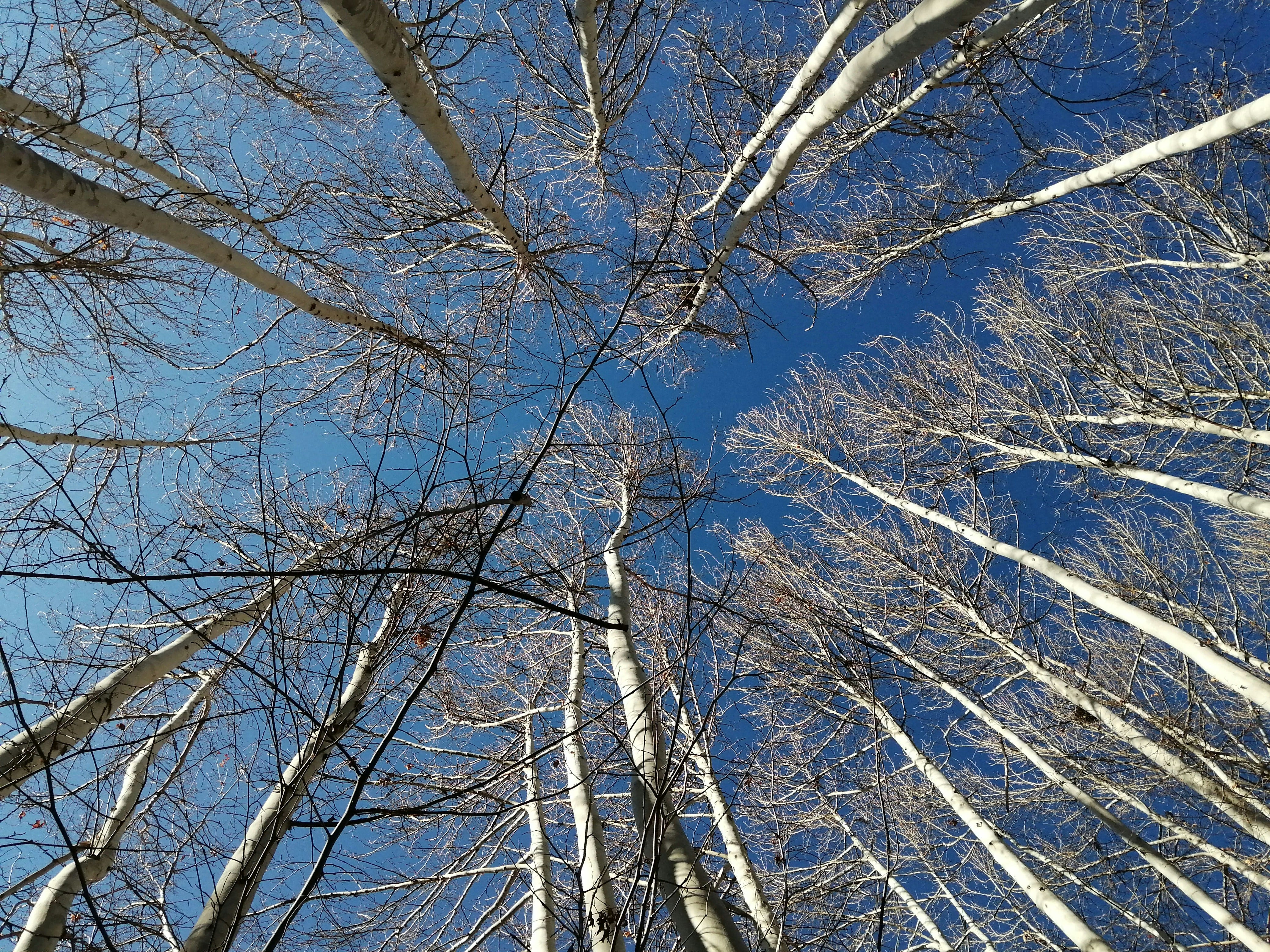
Some days, being fully alive is noticing the way the sun casts dappled light and shadow through still-bare tree branches. It’s watching that light stream through the window, making dancing shapes on the table and on part of my left hand. Other days, it’s sitting in a rocking chair, air dry and warm by the wood stove, listening to a fire crackling as early-arrival sandhill cranes and geese trill and honk overhead as they make their way back home again in spring. It’s noticing the smell of woodsmoke that lingers when I step outside and the sound of the seasonal stream trickling in the ravine by the south side of the house. It’s witnessing vibrant green moss peeking out from the patches of snow that persist and the tiny water droplets that hang on newly unfurled spores. Being still enough to notice these things, these ordinary details, is what makes me fully alive.
Sometimes, though, it’s moving quickly on foot or bike that does it, the rush of wind on my face a reminder of aliveness. Sometimes it’s the giggle or earnest comment from my child—the marvel of her existence and evolution into her own personhood a continual astonishment. Sometimes it’s picking a ripe tomato or digging through wet soil until I find a treasure trove of purple potatoes. Sometimes it’s the buzz of deer flies as I try to stay one step ahead of them on the trail. Sometimes it’s air that feels too hot or too cold or the way spongy moss claims the shadowy parts of the yard.
It all comes back to the noticing—to actively rejecting the pull to numb the unwanted. To be willing to open up to the wonder of walking through a forest at dawn, fog rising from the lake, day stretching out like a canvas waiting for the combination of noticings that will transform it from blank slate to something lovingly and curiously created from the raw stuff of living.
Becoming earth means leaning into that which is wild, true to nature, and authentic to what it means to be a human creature. It means embracing the wild self in all the ways it wants to show up. The wildness that can be found in all of us can be subtle, but it is as opulent as it is gentle and as quiet as it is screaming from the treetops. It is all that we can imagine and all those things that we still cannot. It is the ordinary days and the terrible days mixed with the magic of life on a living, breathing planet. It is walking through an unknown door toward something that has burned up to see what wants to rise from the ashes. We become earth when we can recognize ourselves in the reflection of whatever adds healing to the world. We become earth when we remember what we knew before we were born, when we tunnel our roots down deep, and when we listen for the voices in the stones.
Here’s a journal prompt, or simply something to sit with for awhile: What does being fully alive mean to you right now? How does it feel? Sound? Taste? How would you describe it in detail? Write about what comes to mind when you attempt to define “being fully alive”.