

Go outside more than you think you should. Get intimate with what resides outside your front door, in the weedy patch between the two abandoned houses down the block, at the neighborhood park. Learn to love what’s out there and let it love you back. Bring little bits of it inside. Keep going back out.
This series, which lasts six weeks in total, is intended to stimulate a sense of wonder and cultivate appreciation for the natural world. The idea is to spend at least five hours per week outside (or more if you so choose). Engage in experiences that stimulate wonder, creativity, and mindfulness. Explore one of the five senses each week with a week at the end to integrate. Reflect and write on what you’re noticing. Connect with your own inner wildness.
To the center, the swirling mystery that is the source of all things, a source that goes by many names and is of all origins, colors, and creeds—we honor the unknown that pervades all of life, and we hold space for all that you contain.
We remember that every breath can hold a prayer when we allow ourselves to touch the core.
In the American midwest, the summer solstice that arrives with June, which is just a week away, means that my garden is in full swing. The seedlings and directly seeded plants are in the ground, and this year warm temps and adequate moisture has meant early growth for some produce. Harvesting and figuring out what to do with the abundance has added another element to the day, in addition to weeding, hoeing, mulching, and pest control. Fortunately, the earth is wise, and the days when the work hours outnumber the hours of rest are the same days when sunlight is ample and generous. Bodies get physically tired, but energy abounds as each new crop is ready for the first time, once again.
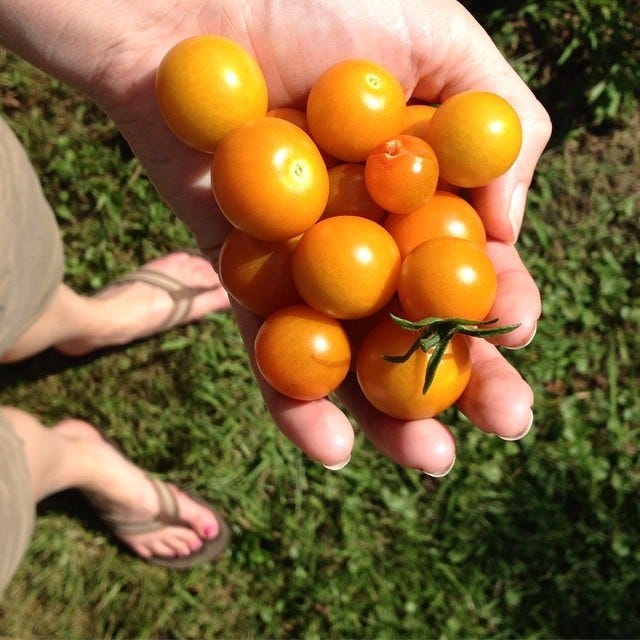
Summer is a season ripe with opportunities to move and work, and it’s also a season that offers new reasons to practice stillness and rest. It’s not always an easy balance to strike in the season of light, especially when you do a lot of work outside. It’s also a season of remembering to savor and a season [as all seasons are, in their own ways..] of pleasure when you practice mindfulness and intentionality, no matter what your work day holds. Paying attention with all of your senses makes a difference.
This week includes a core activity, a few more additional activities, an audio recording, and a poetry break.
Sense: Taste. Become nature. Connect with the earth and let the earth feed you.
Tasting life in all its diversity is key to optimal wellbeing. Embodying a life that’s just wild enough means fully tasting, but also leaving room for the unknown, for that which isn’t yet ready to be tasted fully, and at least a little bit of space for that which you don’t like at all.
Recommended Reading; Collisions of Earth and Sky, pg 117-20.
And for listening, there’s a recording provided below: “A Recipe for One Kind of Pleasure”— Just Wild Enough, pg 32.
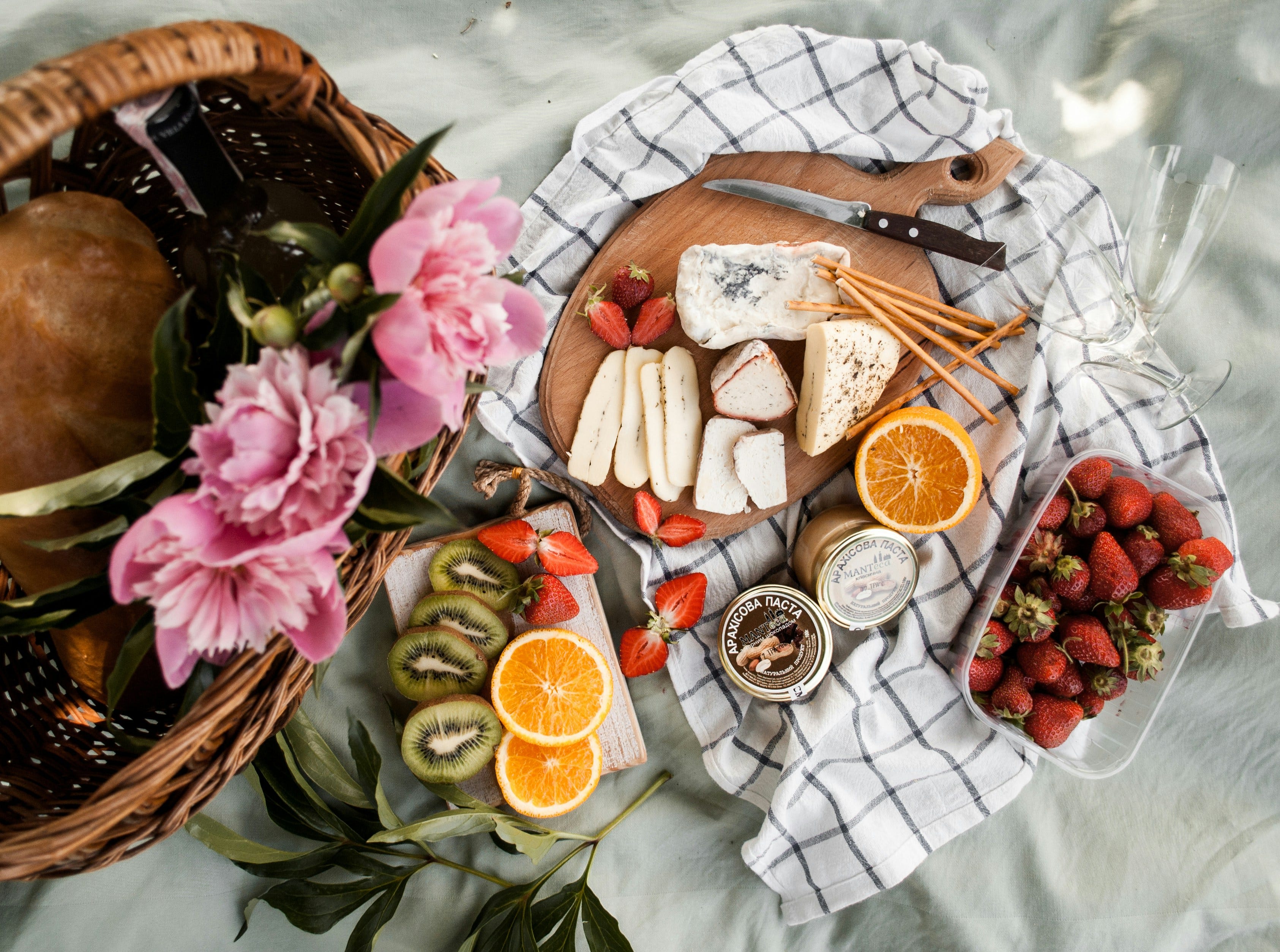
Core Experiential Exercise:
Assemble a picnic. Include a wide variety of fruits, vegetables, grains, cheeses, and make sure you’ve got a diverse assortment of sweet, sour, savory, bitter, and so on. Take your picnic on a modest hike to a peaceful location (if accessible—if not, you can do this exercise at home near an open window or on the porch.)
Lay out your food close to the ground, or on a low table, and take some time to engage all of your senses. Drop fully into the present moment. Feel the air however it’s showing up today. When you feel centered and present, take a taste of each food you brought with you. As you taste, notice what flavors you’re drawn to: do you like sweet or savory? What combination of tastes surprise you with delight? What tastes might you need more of in your life to feel your best? Which ones bring pleasure? How about peace? How does fully tasting your food bring you closer to yourself or your spiritual center? Notice how eating outside or with the natural air on your skin changes your experience.
Extra credit: Include something you really don’t enjoy eating, or that you think you don’t. Sample it again. Why don’t you like it? What would make it better? How does it create dissonance for your taste buds? What happens when you do something you don’t enjoy but live to tell the tale?
Journal Prompt:
Now ask yourself those questions (posed above) again, and this time write down your answers.
Additional Activities to Try:
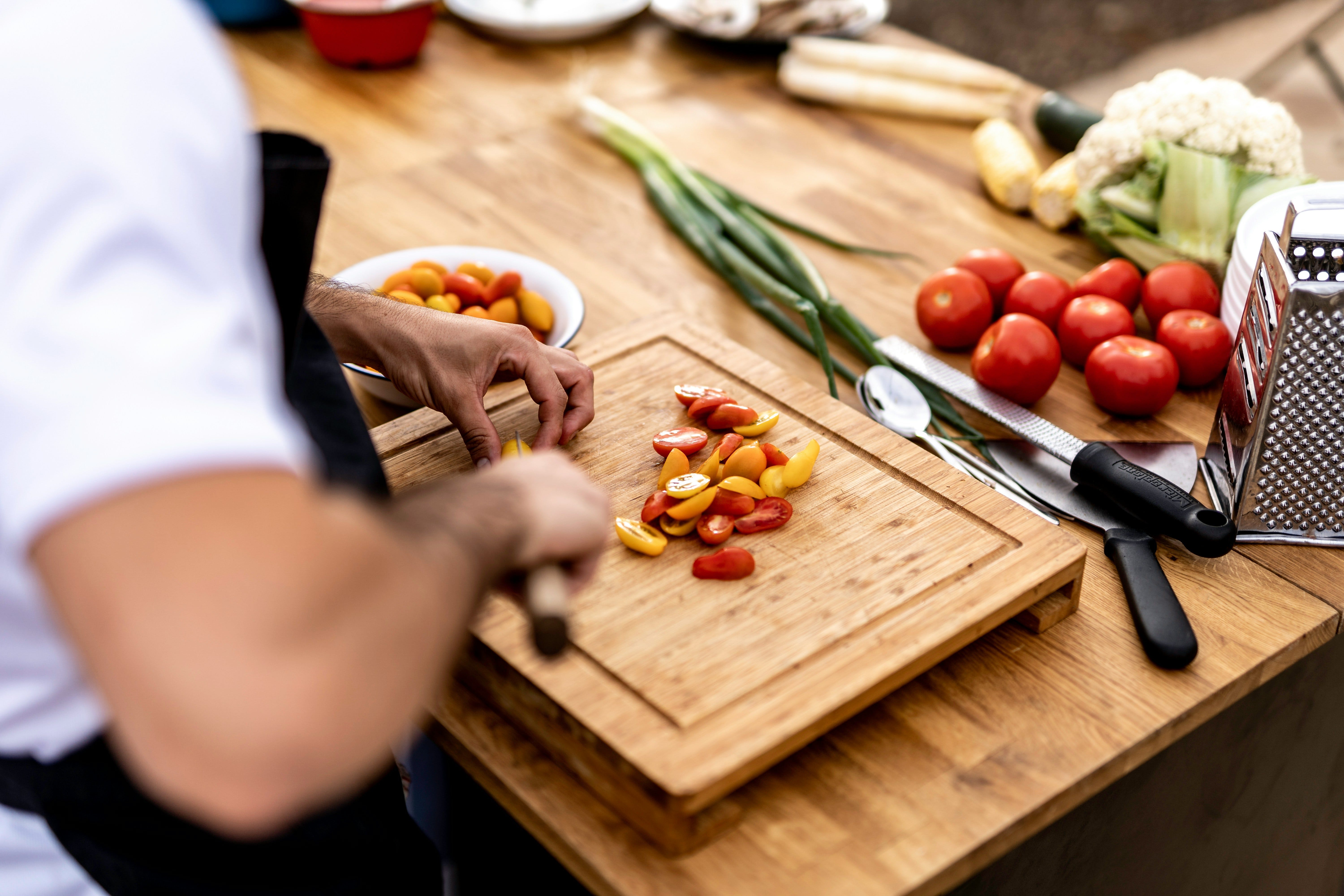
Activity 1: Cook something
Engage in the act of mindfully preparing a meal. Gather your ingredients, wash and chop whatever needs washing or chopping, and prepare them according to whatever recipe you’re using or being inspired by. Then, once it’s ready, sit down at the table, take a few deep breaths, and begin. Taste and be nourished by the act of doing so fully.
Here’s a recipe to try if you need an idea (but cook whatever you want!): Sungold and Zucchini Spaghetti.
What sensations activate in your mouth as you enjoy the first bite? How does it feel to savor this food that you really enjoy? What tastes can you identify? How does the earth come through in each taste that you notice?
While you are eating, let the food that you ingest remind you that you have a body and that your body works together with a mind and spirit, and those things are always trying to reclaim their wildness, both as individual entities and as members of a collective. -Collisions of Earth and Sky
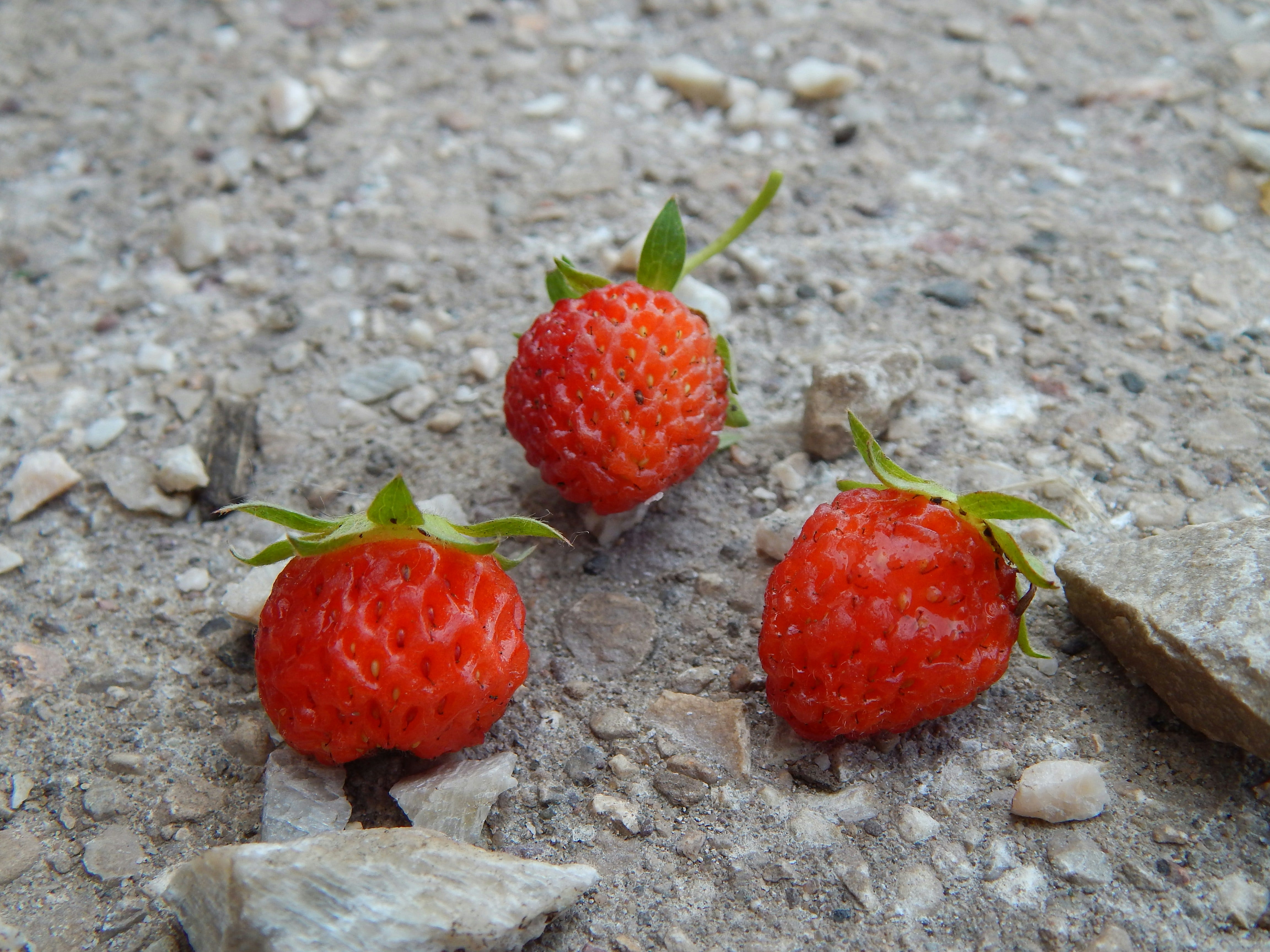
Activity 2: Forage!
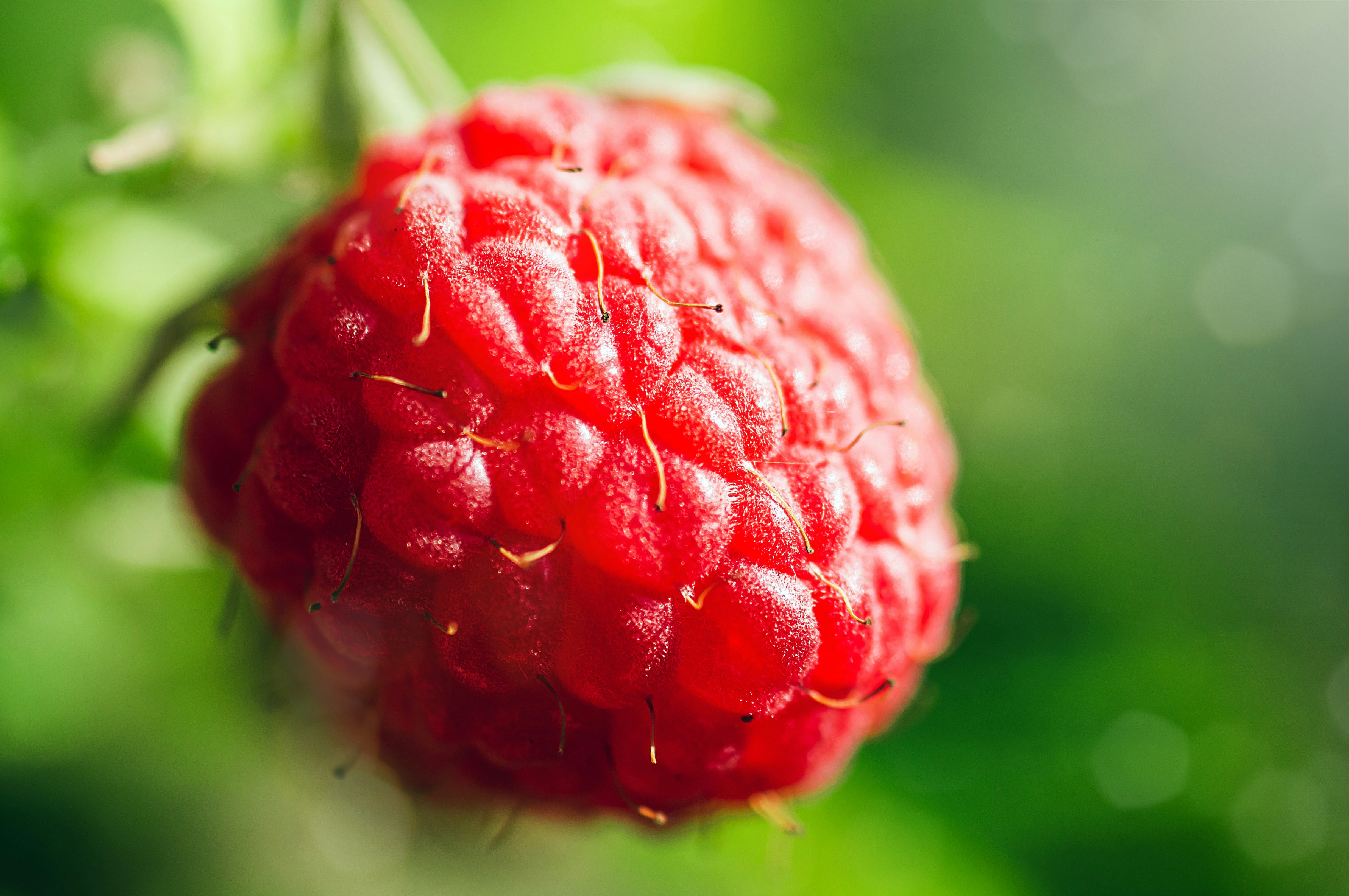
Head outside in your local area in search of wild edibles. Ramps, nettles, wild raspberries and blueberries, plantains, dandelion greens….there’s a wealth of tastes just growing wild outside the door. If you do not know much about wild edibles, please go with or consult a local herbalist and/or do some reading on what’s available in your area before you forage. Always avoid mushrooms that you are not 100% sure of, as well as berries. Always forage responsibly, leaving more than you take, and avoiding areas where chemicals may have been used (some lawns, fields near conventional farms, etc).
Find a few things to taste, and do so with gusto — how does it feel to find your food in the forest?
Make a list of all the edible things you can find, take a sample of each, and compare and contrast the tastes. Which do you enjoy? What’s not for you?
Poetry Break:
Write a poem about taste.
Write whatever you wish, but if you need a place to start, here’s a first line:
Sunshine tastes like……..