

Go outside more than you think you should. Get intimate with what resides outside your front door, in the weedy patch between the two abandoned houses down the block, at the neighborhood park. Learn to love what’s out there and let it love you back. Bring little bits of it inside. Keep going back out.
This series, which lasts six weeks in total, is intended to stimulate a sense of wonder and cultivate appreciation for the natural world. The idea is to spend at least five hours per week outside (or more if you so choose). Engage in experiences that stimulate wonder, creativity, and mindfulness. Explore one of the five senses each week with a week at the end to integrate. Reflect and write on what you’re noticing. Connect with your own inner wildness.
This past week included a few beautiful days: warm, a bit breezy, and sunny. No bugs, and a new tint of green as the leaves fully arrive in the picture of spring. I took the patients I worked with outside on what I call a sensory walk on those days. Basically, we take to the woods via a half mile long trail that stays pretty flat, but meanders through some tall pines, past the marshy back bay of one of the lakes, and along a tamarack bog. We stop often, each time focusing on engaging one of the five senses (much like you’re doing with this series, but on the same walk). When we finish the walk, I ask the group which sense it feels really good to exist fully within: which one really stands out in a way they normally wouldn’t have noticed. Most folks say listening, that usually when they are out on the trails they have music or a podcast playing, are talking on the phone, lost in thought, or powerwalking for exercise. Slowing down and tuning into the sensory experience tends to open doors to noticing what otherwise remains unheard, unseen, untouched.
This week includes a core activity, and a few additional exercises to try, along with an audio recording and poetry break.
Sense: Hear. Listen. Let yourself be guided by sound. Learn to move like a wild creature through the woods. Use your animal ears. Be still sometimes. Let wild silence find you.
Sound, either heard or felt through vibration, is another important way to experience the natural world, and many species of animals rely on their sense of hearing to do all sorts of things. This week we’ll be using sound, what we hear, and the skill of listening (in whatever forms are available to us) to guide our exploration.
Recommended Reading: Instructions for living, on pg 36 in Just Wild Enough; and Listening to the Land, a chapter in Collisions of Earth and Sky, . Or, listen to part of the chapter here:
Core Experiential Exercise:
Establish a Wild Silence Witness Place: Otherwise known as finding a “sit spot” close to home.
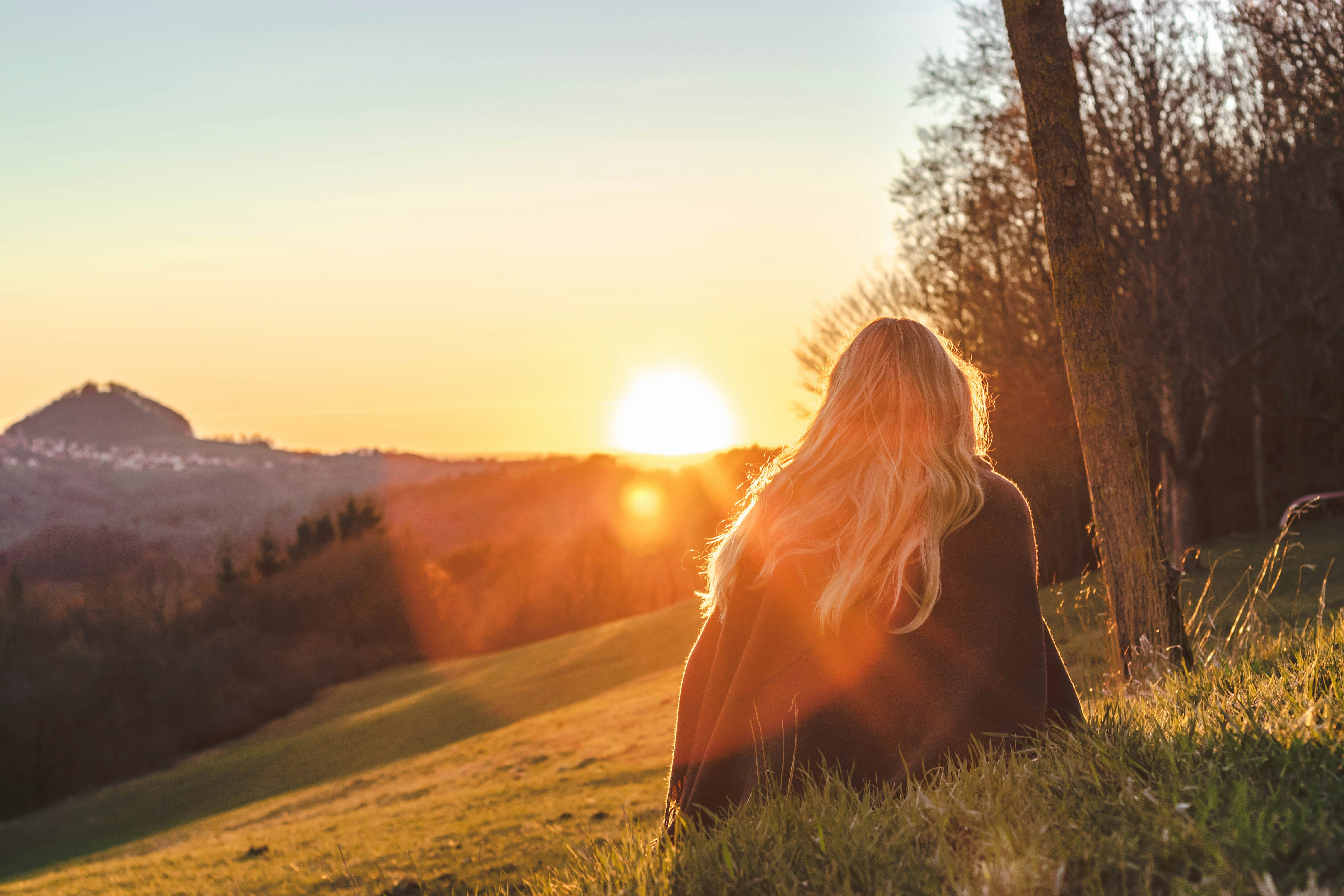
Your wild silence witness place is simply an easily accessible place where you can visit on a regular basis to absorb nature. It’s a chance to get to know a certain spot intimately, through the seasons. It’s a place outside where you feel safe, that you can visit easily and that allows you to use all of your senses to experience being in nature. Having a place like this is a wonderful opportunity to listen to all the different layers of sound that permeate the outdoor world.
Take some time this week to find a place if you don’t already have one. It can be a stump in your backyard, a chair up against the side of the garage, or a nice rock in the park just down the road. Once you’ve found your spot, settle in and use your sense of hearing to experience what’s going on around you. Take your journal with you and write about what you notice, but especially what you notice through sound or vibration. As you continue the practice beyond this week, notice what changes as the seasons pass. Notice what stays consistent. Listen for nature breathing all around you.
Extra credit: Take some time to look all the way up when in your place. How does your interaction with your surrounding shift as your perspective does? What else do you hear when you make a point to look all the way up?
Journal Prompt:
What made you choose your particular spot? What do you like about it? What sounds are consistently present? What sounds are out of place, and how do you tell? How does being still in nature make you feel? Why? What happens when you are intentional about moving slowly, or being still? What does stillness have to offer to you in this season?
Additional Activities to Try:
Activity 1 : Fox Walk
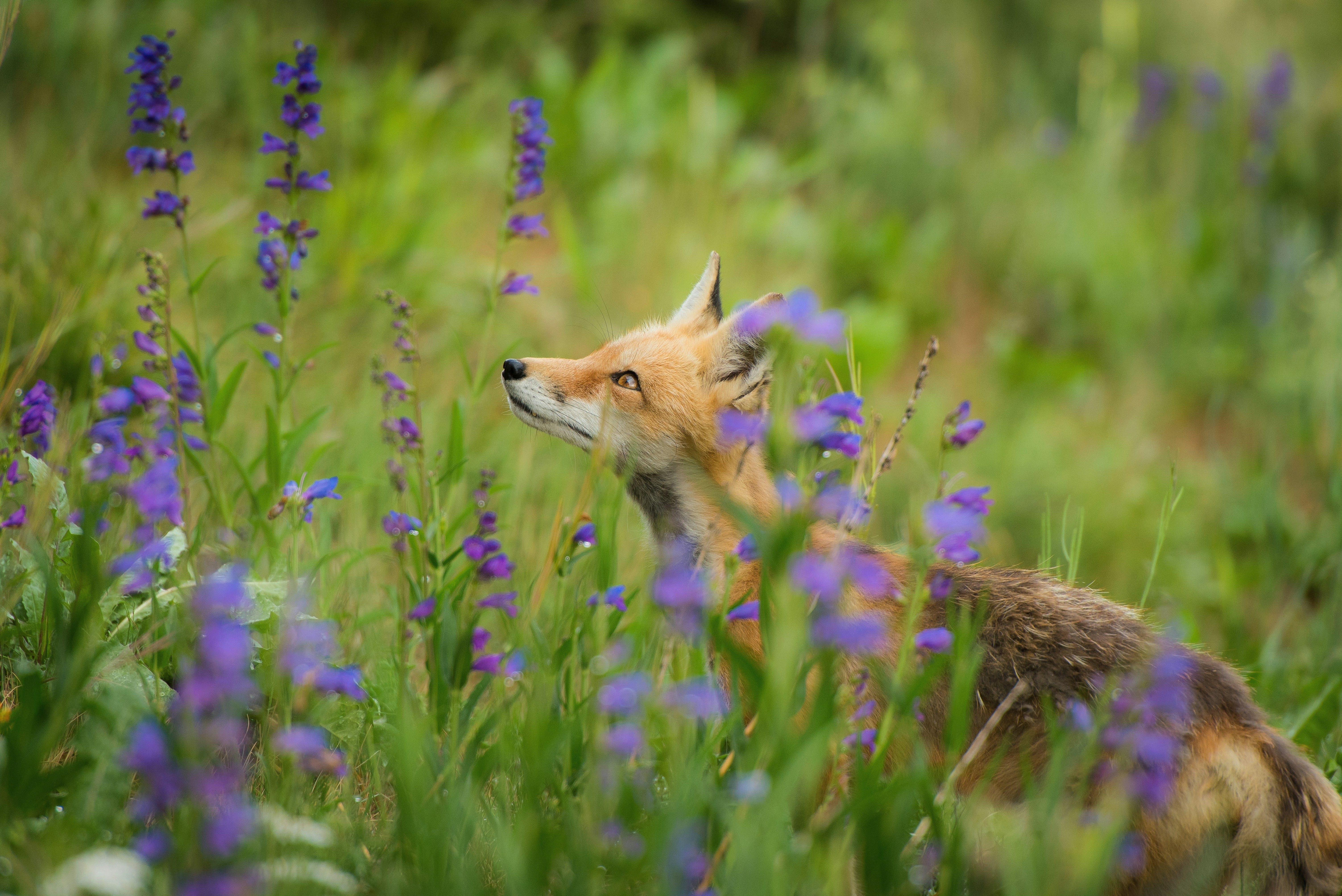
Have you ever noticed that animals don’t always make much sound when they walk through the forest? Today try to walk as silently as you can through whatever terrain you are navigating. Take a moment to practice the “fox walk”: First put on your ‘fox’ selves. Then, walking really silently, place your foot on the earth before adding any body weight. (Ideally, you will do this activity barefoot, but it can be done in shoes also)
In slow-motion, the fox walk goes like this:
1. Touch the outside edge of your foot to the earth
2. Roll your foot inward until it is flat on the ground
3. Before adding your weight, check and see if there are any sharp stones, branches or any other objects that would make a noise or not feel good in your foot’s path.
4. If there are, reposition your foot
5. Transfer your weight to your foot
6. Repeat with your other foot
With practice you’ll get fast and even more fox-like! And when you are really quiet in the woods, you are more likely to see and hear more creatures and notice things that you might not otherwise.
At the end of the hike/walk ask:
How was it to fox walk? What did you notice? What sorts of things do you hear or feel in the woods when you are moving AND really quiet?
Activity 2: Listen to the Land
This one’s a little looser of a tie-in to our sound/vibration theme, but important to include.
Do some digging. Library, elder community members, the historical society.
What is the true history of the land you’re on? What’s the story of the part of earth where your home is? What happens when you listen for all the nuance that comes through the layers of story you may uncover? If you are not already familiar, do some looking into the indigenous groups who called your area home in generations past, as well as the groups who live in your area today. How can you honor the true history of the land? How does really listening in inform your choices?
www.native-land.ca can be helpful as well.
Poetry Break:
Write a poem about listening..
Write whatever you wish, but if you need a place to start, here’s a first line:
When I listen, I hear nature breathing and it sounds like
I love the fox walk! Thank you for making me more aware of every step, every footfall, every sound has become clearer.