
Allow what is to be enough
....but not always, especially not when you aren't done editing

Mondays are usually my writing days—my 13 year old is at school, I am not scheduled to be at work, my spouse is doing his own work, and the house is quiet. My to-do list is sometimes overrun with errands or chores, but many Mondays I have plenty of time to dedicate to writing. Yesterday I decided my day today would be mostly about working on the draft of my next book.
So this morning I made scones, had a friend over for coffee, vacuumed all of the carpets1, cleaned the sink, did a strength training workout, and talked to a family member who’s stuck on the east coast thanks to the nor’easter pummeling the region that cancelled all flights for days.
After I was done with all of that, it was time to eat lunch.
It’s currently 1:30pm and I have yet to open the document that houses the manuscript.
I have, however, gone through my entire Submittable2 folder.
Interestingly, this revision and editing phase is one of my favorite parts of putting books together—the structure and flow has been established, the content has been mostly decided on and written. This phase is for fine tuning, for making sure things flow in a way that makes sense to anyone other than me, and for deleting unnecessary words.3 I often describe how I write as ‘quilting’ in that I gather up all the pieces (essays, poems, random paragraphs) that I think will fit into the vision of the work and start stitching them together. The main stitching for this book has been done, so now I need to ensure all the pieces are arranged and smoothed out—and clip off the loose threads.
Even though I enjoy this phase, it’s often tricky to get started—the draft I have now is fairly readable as it is so the “allow what is to be enough” side of me gets a little yappy. However, when it comes to book editing, it’s helpful to tamp down my slacker tendencies4 which come out sometimes when I get caught in the trap of “well, I didn’t give it my absolute best effort, so…. of course it’s just okay. It would have been better, but, you know, I didn’t try my hardest.” It’s a way to protect my ego against the inevitable criticism that comes with publishing.
At any rate, I need to set that little ego gremlin aside, and get to work on this draft. I’m excited for the project and how it’s come together so far, so I’m going to take that energy (along with my editor’s suggestions) and apply it to this phase of editing. Adjust, trim, snip, iron. Little by little, the final draft and I will come to an agreement on a place to land.
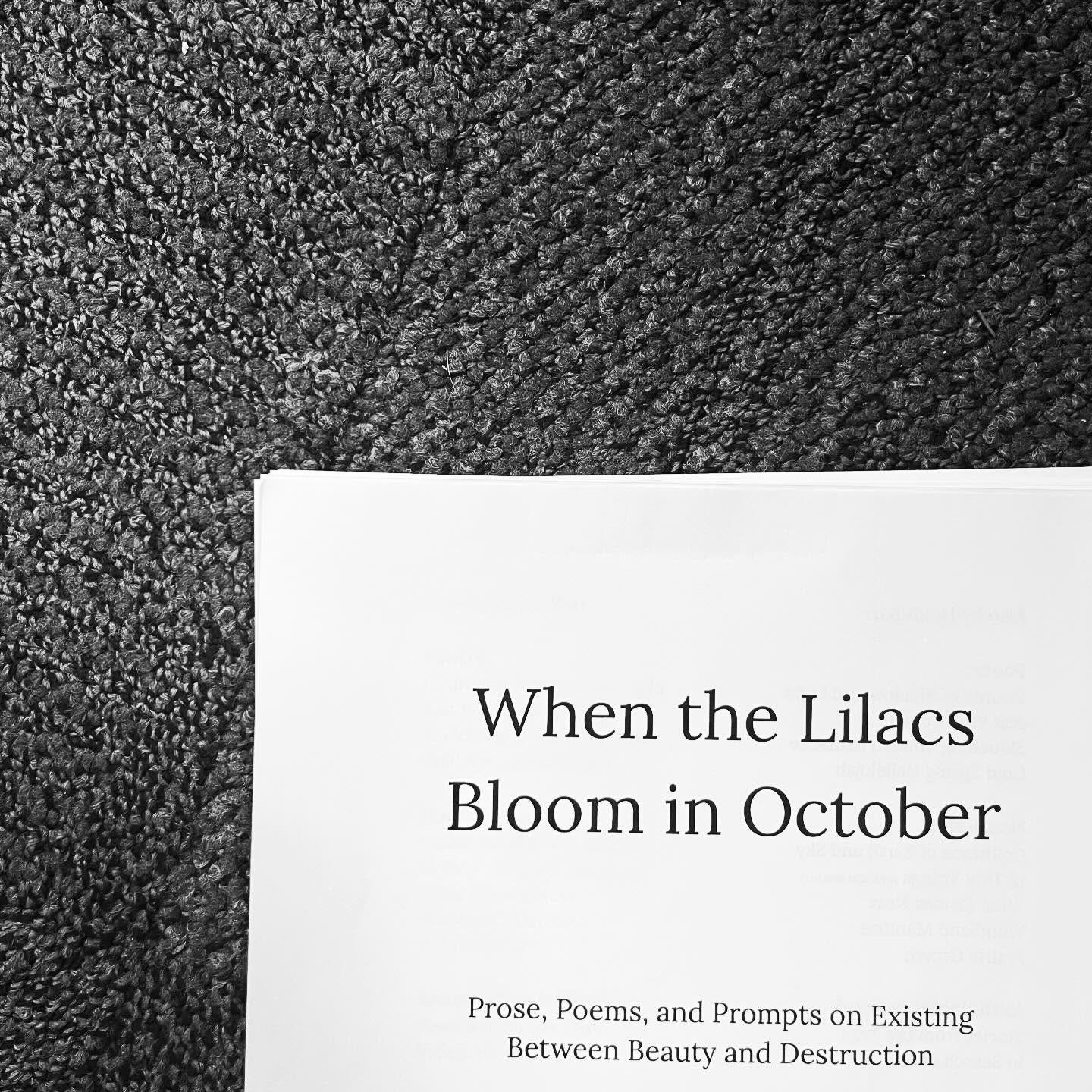
I thought about trying to find a poem to add here, but I think it’s probably best to end this missive and open the document.
Here’s to allowing what is to be enough AND editing when necessary.
We just got a new vacuum, replacing the old one that was 10 years old, so this was very exciting.
If you are unfamiliar, Submittable is a platform used by many publications to solicit and sift pitches and submissions. I have drafts of stuff in mine that go back to 2015.
Literally, like extra “thats” and “thes” and “justs” and also all the times I’ve described something that doesn’t need describing or I’ve explained a concept when the book would be better served by trusting the reader to come to their own conclusions, etc. Or when I’ve accidentally included the same paragraph in two different essays. It’s been known to happen.
I had one major in college: Health. No minor. Some folks double major and have a bunch of minors, but me? Na. I was good with just the one. This tendency has both positive and negative aspects—I don’t tend to feel too busy most of the time, but sometimes I cut corners when a little more work may have served better.
Looking forward to reading Lilacs!
And I always love it when other writers talk about all the things that are not writing that are involved in actually writing.
I call it "noodling" - a happy place for me!